How to Keep Food Warm at a Catering Event (Step-by-Step)
Short answer: load food into preheated pans above 165°F (74°C), carry it in an insulated carrier that was preheated for 10 minutes, get it onto the line within 2 hours, and hold every item at 135°F (57°C) or above. Use insulated transport plus fuel chafing dishes with overhead heat lamps for crispy items.
Equipment pairing table
| Challenge | Equipment | Target |
| No mains power | Fuel chafer + 2-hour cans | Hold 135–165°F (57–74°C) |
| Mains power available | Electric chafer, thermostat at 160°F (71°C) | Steady hold, less labour |
| Transport 30–120 min | Insulated carrier, preheated 10 min | Arrive above 140°F (60°C) |
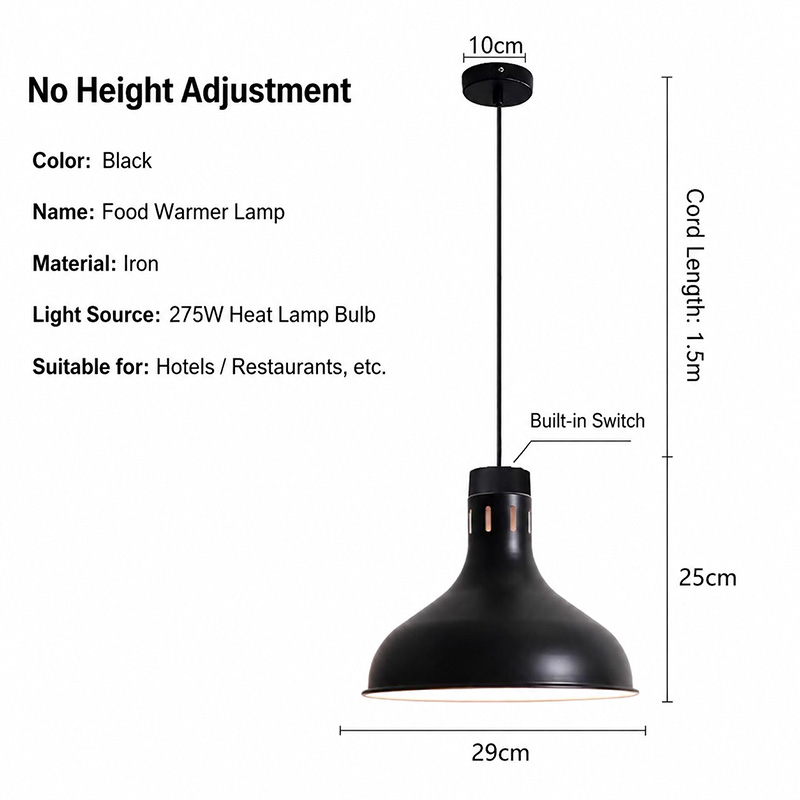
| Crispy items during service | 250 W heat lamp at 30–45 cm | Surface crisp, no steam |
| Large banquet holding | Hot-holding cabinet at 140–180°F (60–82°C) | Rotate small batches forward |
| Sauces and gravies | Electric kettle at 165–200°F (74–93°C) | No skinning |
Timeline that protects both quality and safety
- T-90 min: cook and hold above 165°F (74°C); preheat pans.
- T-60 min: preheat carriers with boiling water for 10 minutes; drain and dry.
- T-45 min: load food at 165°F+ into two-thirds full pans; close latches.
- T-30 min: transport — never open during transit.
- T-0: set frames, fill water pans with 1 inch (2.5 cm) of hot water, light fuel or switch on power.
- T+15 min: probe every pan before guests arrive; 140–150°F (60–65°C) target.
- During service: probe hourly, replace pans rather than topping up, discard after 4 hours.
Common off-site failure modes
- Cold start: cold water in the water pan adds 10–15 minutes before the food reaches temperature.
- Wind: strips 20–30% of fuel output outdoors; add wind guards and carry 30% extra cans.
- Over-large pans: one giant pan loses heat each time the lid opens; use two smaller pans instead.
- Running out of fuel: two cans per two-hour window costs under $6; running out costs the whole dish.
Load-out order and vehicle loading
Reverse your service timeline and pack in reverse order — whatever you touch first at the venue goes into the vehicle last.
- First out at venue: frames, fuel cans, water containers (pack last).
- Second: pans, lids, utensils, sanitising kit.
- Third: insulated carriers with hot food (pack first, closest to the rear door).
- Always in the cab: probe thermometer, sanitiser, disposable gloves, spill kit.
| Event size | Vehicle load | Load-out time |
| 50 covers | 1 van, 6–8 carriers | 45 min |
| 150 covers | 1 truck, 18–22 carriers | 90 min |
| 300 covers | 2 trucks, 40+ carriers | 3 h |
Carriers should be strapped upright; a tipped carrier loses its seal and the contents drop below 140°F (60°C) within 30 minutes.
Which dishes travel well — and which do not
Not every menu item survives a trip. Plan the menu around transport reality:
| Dish type | 2-hour transport | Notes |
| Braised meats, stews, curries | Excellent | Quality often improves; arrives above 150°F (65°C) |
| Rice, pasta | Fair | Carry dry-ish, refresh with sauce on site |
| Roast meats for carving | Good | Carry whole, carve on site, hold under a lamp |
| Fried foods | Poor | Travel loses crispness; finish on site or under a lamp |
| Green vegetables | Poor after 60 min | Blanch and refresh in small batches |
| Egg preparations | Poor | Cook on site or batch frequently |
A useful rule: anything that will be judged on texture must either be finished on site or live under a heat lamp; anything judged on tenderness can travel for hours and actually benefits from the rest.
Questions to put to your supplier before you order
- Can the carriers hold 140°F (60°C) for three hours in a written test report?
- Do the frames nest for return transport, and how many fit per pallet?
- Are replacement hinges, handles and water pans stocked as spares?
- What is the MOQ for mixing fuel and electric frames in one order?
- Is there a written warranty on elements, and are spare elements shipped with the order?
Suppliers who answer all five in writing save you the two things that hurt most off-site: a cold line and a missing part. Our standard terms are MOQ 50 pieces, 25–30 day lead time and a 12-month warranty.
Frequently Asked Questions
How long will food stay hot in an insulated carrier?
Typically 2–3 hours above 140°F (60°C) if the carrier was preheated for 10 minutes and the food went in at 165°F (74°C) or hotter. Always verify with a probe, not a schedule.
Can I hold food hot for a 6-hour event?
Yes if it is actively held at 135°F (57°C) or above — that stops the 4-hour clock. Expect quality loss after 2 hours for rice, pasta and green vegetables.
Should I use fuel or electric off-site?
Fuel, unless you have confirmed dedicated circuits. Generator and extension-cord failures are the most common cause of cold buffets at tented events. See fuel vs electric costs.
How do I keep fried food crispy at an event?
Hold it under a 250 W lamp at 30–45 cm with no cover, and rotate small batches from the kitchen every 20 minutes. A covered chafer will steam the coating in under 10 minutes.
What is the minimum hot-hold temperature I should accept?
135°F (57°C) by code, but set your own trigger at 140°F (60°C) so there is margin when a lid opens.
Related reading
Related Articles

How Long Can Food Stay Under a Heat Lamp? The 4-Hour Rule
Food can stay under a heat lamp for up to 4 hours if it stays above 135°F (57°C); quality usually ...
Is Food Under a Heat Lamp Safe? A Straight Answer
Food under a heat lamp is safe when three conditions are met: above 135°F (57°C), under 4 hours, a...

How to Choose the Right Chafing Dish for Your Buffet
Choose the right chafing dish in 6 steps: fuel vs electric, shape, quart size, gauge and lid type. I...
Does a Heat Lamp Produce Radiation? What It Really Emits
A heat lamp emits infrared radiation, which is non-ionizing: photon energy around 0.9–1.6 eV versus...

304 vs 201 Stainless Steel: Which Alloy for Buffet Equipment?
304 (18/8) costs 20–40% more than 201 and resists rust far better because of its 8% nickel; 201 swa...
Chafing Dish Fuel vs Electric: Which Should You Use?
Electric chafing dishes cost about $0.06 per hour to run; canned fuel costs $0.60–1.50. Compare ene...